Best Nonna Ever
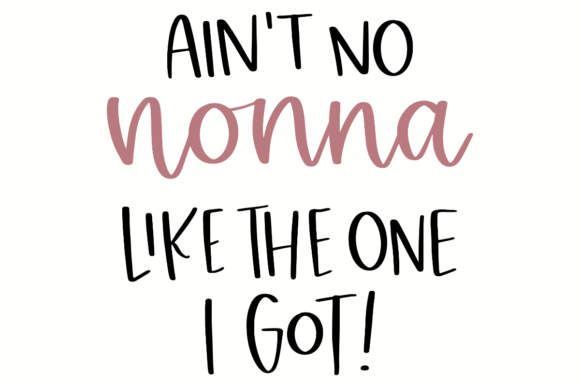
As a designer who’s spent years working with machine embroidery designs, I approach every new file with a mix of curiosity and critical evaluation. Best Nonna Ever is one of those designs that immediately catches the eye—not just for its aesthetic appeal, but for how it translates into real-world embroidery projects. This “Ain’t No Nonna Like The One I Got” digital design offers a fresh take on family-themed embroidery, blending hand-lettered typography with a soft rose-toned script. It’s not just a pretty image; it’s a design that invites thoughtful application in both personal and commercial settings.
The First Impression: A Design That Speaks to Family Bonds
From the moment I open the file, Best Nonna Ever feels warm and inviting. The typography is clean, modern, and slightly playful, making it ideal for a range of handmade products. The soft rose tone adds a touch of elegance without being overly feminine, which makes it versatile for different audiences. The layout is balanced, with enough detail to stand out but not so much that it becomes overwhelming. It’s the kind of design that feels like it was made for a custom embroidered tote bag or a personalized sweatshirt—something you’d want to wear or give as a gift.
What stands out most is the visual personality of the design. It doesn’t scream “crafty” or “overly decorative.” Instead, it has a quiet confidence that makes it feel authentic. This is important because when you’re creating a handmade product, the design needs to reflect the values of the maker and the message they want to convey.
Real-World Use: Where Best Nonna Ever Shines
I’ve tested Best Nonna Ever on several types of fabric and found it performs well across a range of applications. For example, on a cotton tote bag, the design looks crisp and clear, with the rose-toned script standing out nicely against the white background. On a light gray sweatshirt, it maintains its integrity without looking washed out. The stitch density is moderate, which means it won’t be too heavy on the fabric, making it suitable for garments that need to remain comfortable and wearable.
This design works especially well for custom apparel, baby items, and holiday gifts. Imagine a personalized onesie with “Ain’t No Nonna Like The One I Got” stitched in soft pink on a cream-colored onesie. It would make a heartfelt and unique gift. Similarly, a small shop product like an embroidered patch could use this design to add a personal touch to jackets, backpacks, or even aprons.
For Etsy sellers and craft business owners, Best Nonna Ever could be a strong addition to a collection of family-themed designs. It’s the kind of piece that could be used in printable mockups, digital product previews, or as part of a larger set of design assets. Its clean lines and subtle color palette make it easy to incorporate into different branding strategies.
Where to Be Cautious: Limitations and Considerations
While Best Nonna Ever is a strong design, there are a few areas where it might require extra attention. For instance, if you’re using it on small hoop sizes, you’ll need to ensure that the design isn’t too detailed for the space. The delicate script and smaller text might get lost if the hoop is too tight. Similarly, on textured fabrics or stretchy materials, the design could appear distorted unless proper stabilizer is used.
Another consideration is fabric color. While the rose tone works well on light backgrounds, it might not be as visible on dark fabrics. If you’re planning to use this design on a black t-shirt or a dark sweatshirt, you may want to adjust the thread colors or test it first. The same goes for layered garments or curved surfaces like caps, where the stitching might not sit as smoothly as on flat, smooth fabric.
For commercial embroidery projects, it’s also important to confirm the licensing terms before selling finished products. While the design itself is visually appealing, the legal aspects of using it in a business setting should never be overlooked.
Designer Notes: Practical Tips for Using Best Nonna Ever
Before jumping into any embroidery project with Best Nonna Ever, here are a few practical tips I recommend:
- Test on scrap fabric first to see how the design looks in real life and how the stitches behave on your chosen material.
- Check thread color contrast to ensure the rose tone stands out appropriately on your fabric.
- Review stitch density to avoid over-stitching, which can cause puckering or stiffness in the final product.
- Confirm hoop size to make sure the design fits comfortably without cutting off any details.
- Inspect small details like the script and lettering to ensure they’re clear and legible after stitching.
- Test in black and white mockups to see how the design looks without color, which can help with visibility on different backgrounds.
- Compare light and dark fabric backgrounds to determine the best fit for your project.
- Use proper stabilizer to keep the design from shifting or distorting during the embroidery process.
- Check if the design works for both personal and commercial projects based on your intended use.
- Confirm licensing before selling finished items or digital products to avoid any legal issues.
These steps aren’t just about technical accuracy—they’re about ensuring that the final product meets the expectations of your customers and reflects the quality of your work.
Final Thoughts: A Design That Works Well in the Right Context
Best Nonna Ever is a design that feels like it was made with intention. It’s not just a pretty image—it’s a thoughtful composition that can translate well into a variety of embroidery projects. Whether you’re making a personalized gift, a custom apparel item, or a small shop product, this design has the potential to add value and meaning to your work.
That said, it’s important to use it wisely. Pay attention to fabric type, hoop size, and stitch density, and always test the design before committing to a full project. With the right approach, Best Nonna Ever can become a staple in your collection of machine embroidery designs, helping you create beautiful, meaningful pieces that resonate with your audience.