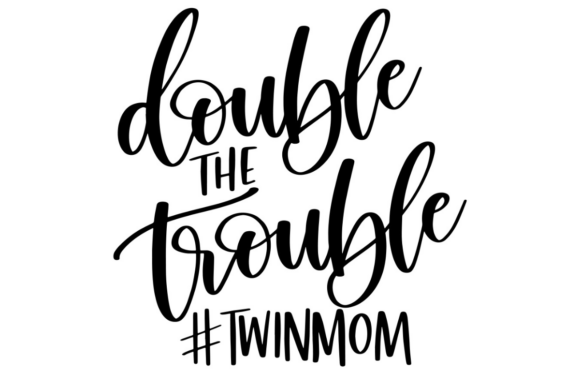
Double the Trouble: Graphics for Crafts and Creative Publishing
As a blog designer and digital publisher, I’m always on the lookout for graphic design assets that can elevate content quality and visual appeal. Double the Trouble caught my eye with its high-energy, hand-drawn aesthetic that perfectly captures the chaotic yet charming world of twin parenting. This digital design is more than just a visual—its bold typography and dynamic layout make it a powerful tool for editorial design, web design, and content marketing.
The First Impression: Bold, Playful, and Purposeful
From the first glance, Double the Trouble exudes energy. The hand-drawn elements and strong typographic choices create a lively, approachable mood that feels both modern and artistic. It’s not just a design—it’s an invitation to engage. The style leans into a lifestyle-focused vibe, making it ideal for content niches like parenting blogs, creative small business branding, or digital guides aimed at families.
This design asset works especially well in spaces where visual storytelling matters. Whether you're designing a blog graphics package, a Pinterest pin, or a social media graphic, Double the Trouble brings personality and clarity to every project. Its playful yet professional tone makes it adaptable for a wide range of content types.
Real-World Use Cases for Digital Design Assets
Double the Trouble isn’t just a pretty image—it's a versatile graphic design asset that fits seamlessly into real publishing workflows. For bloggers and content creators, this design can be used as a featured image, article header, or website header that grabs attention and sets the tone for the content that follows.
- Blog Featured Images: Double the Trouble adds visual interest and helps break up text-heavy posts, making them more engaging for readers.
- Pinterest Pins: With its bold visuals, this design stands out on Pinterest, increasing the chances of clicks and traffic.
- Newsletter Banners: A clean, eye-catching banner can improve open rates and reader engagement.
- Lead Magnets: As a printable design or Canva template, it can be used to create downloadable resources that attract email sign-ups.
- Social Media Graphics: From Instagram posts to Facebook covers, this design supports consistent brand identity across platforms.
It also works well as a digital guide cover, eBook cover, or content upgrade, offering a cohesive look that aligns with your brand’s visual identity.
Boosting Content Performance with Visual Hierarchy
In content marketing, the right design can make all the difference. Double the Trouble enhances visual hierarchy by guiding the reader’s eye through key elements like headlines, subheadings, and call-to-action buttons. This is crucial for improving click-through potential and ensuring that your message lands clearly.
When used consistently, this design asset helps build a stronger brand identity. Readers begin to associate your content with a specific look and feel, which increases trust and recognition. It’s especially useful for affiliate marketing or content that needs a polished, professional appearance.
For publishers working on a tight deadline, Double the Trouble offers a ready-to-use solution that doesn’t compromise on quality. It saves time while maintaining editorial excellence, making it a valuable addition to any content creator’s toolkit.
Where Double the Trouble Shines
This design excels in areas where visual impact is key. Hero images, article thumbnails, and Pinterest pins benefit from its bold composition and clear messaging. It also works well as an editorial accent in layouts, adding a touch of creativity without overwhelming the reader.
For downloadable resources like worksheets, printables, or digital guides, Double the Trouble serves as a strong visual anchor. It can also be used in media kits, social media previews, or even as part of a content upgrade strategy to boost engagement and conversions.
Where to Use It Carefully
While Double the Trouble is a powerful design, it may not fit every scenario. On small mobile thumbnails, the details might get lost, so testing is essential. In text-heavy blog images, it could compete with the content rather than support it.
It’s best avoided in serious professional niches or corporate content where minimalism and simplicity are preferred. If your website has a very clean or low-contrast design, this asset might feel out of place. Always test it in the context of your existing layout before finalizing its use.
Publisher Notes: Testing and Optimization
Before integrating Double the Trouble into your workflow, here are some practical tips:
- Test on desktop and mobile screens: Ensure it looks good on all devices, especially when used as a thumbnail or social media graphic.
- Preview in a real blog layout: See how it interacts with your existing design elements and typography.
- Check contrast and readability: Make sure the text remains legible against different background colors.
- Try it in black and white: Assess how the design holds up without color.
- Place it beside different font styles: Evaluate how it pairs with serif, sans serif, script, or display fonts.
- Review file size: Optimize for web performance to ensure fast loading times.
- Confirm commercial licensing: Make sure it’s suitable for monetized websites, affiliate pages, or paid content products.
These steps help ensure that Double the Trouble not only looks great but also functions effectively within your content strategy.
Final Thoughts: A Powerful Addition to Your Creative Toolbox
Double the Trouble is more than just a graphic design asset—it’s a statement. It brings energy, creativity, and clarity to any content project, whether you’re designing for a blog, a digital product, or a social media campaign. Its versatility and strong visual identity make it a must-have for publishers, designers, and content marketers looking to elevate their work.
With careful consideration and testing, this design can become a cornerstone of your visual strategy, helping you create content that’s not only beautiful but also effective in driving engagement and conversions.