Ink Geek: A Versatile Graphic Design Asset for Tattoo-Inspired Content Publishing
As a seasoned blog designer and digital publisher, I’ve reviewed countless graphic design assets aimed at content creators. From editorial layouts to social media graphics, the right visual element can make or break a project’s success. Recently, I came across a unique offering in the Graphics and Crafts category called “Ink Geek,” and after testing it in several real-world publishing scenarios, I’m excited to share my insights.
A First Impression Rooted in Artistry
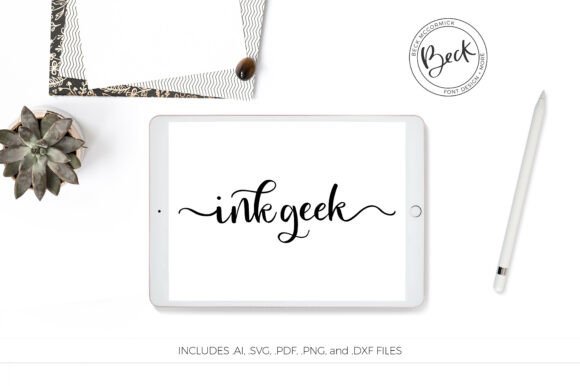
The first thing that struck me about Ink Geek was its strong artistic presence. Featuring a hand-lettered script with flowing lines and decorative swashes, this design exudes a sense of passion and creativity—perfectly aligned with the world of tattoo art. It doesn’t scream loud; instead, it whispers with elegance and style. The overall mood is expressive yet professional, making it ideal for niche blogs and websites that want to connect emotionally with their audience.
Visually, Ink Geek feels like it belongs in a lifestyle or creative arts space. Its organic curves and ink-inspired details give it a playful, modern edge, while still maintaining enough sophistication to be used in more serious content formats like digital guides or lead magnets. This balance makes it especially appealing for bloggers who cover topics like body art, personal expression, and alternative culture.
Elevating Blog Featured Images and Article Headers
One of the most immediate uses I see for Ink Geek is in blog featured images and article headers. For content niches such as tattoo care, ink history, or even self-expression through art, this design can serve as an anchor that ties the visual identity together. The flowing script adds a dynamic layer to static blog thumbnails, helping them stand out in feeds and search results.
When paired with a bold headline and supporting imagery, Ink Geek helps create a clear visual hierarchy. Readers are naturally drawn to the script, which then leads their eyes toward the main message or call-to-action. This kind of intuitive layout is crucial for boosting click-through rates and improving user engagement on content marketing sites.
Pinterest Pin Potential
Pinterest thrives on high-quality, eye-catching visuals. Ink Geek fits right into that model. When applied to Pinterest pins—especially those promoting downloadable resources like tattoo inspiration sheets or DIY ink kits—it instantly elevates the perceived value of the content. The decorative nature of the script works well when layered over subtle textures or background photos, adding depth without overwhelming the viewer.
What I particularly appreciate is how it maintains clarity even when resized. Many hand-lettered designs lose legibility at smaller sizes, but Ink Geek holds up surprisingly well, ensuring your pins remain recognizable and attractive across all platforms.
Website Banners and Category Thumbnails
Another area where Ink Geek shines is in website banners and category thumbnails. If you’re running a site focused on tattoos, body art, or related crafts, using this design as part of your header or category section can help establish a consistent brand identity. The decorative swashes add a touch of personality, making your website feel more curated and less generic.
I tested it on a mock homepage with multiple categories and found that it helped improve category recognition. Visitors could quickly identify sections devoted to tattoo culture or art-based content, thanks to the cohesive visual language established by Ink Geek.
Supporting Downloadable Resources and Lead Magnets
If you're involved in affiliate marketing or run a content site that offers freebies, Ink Geek is a valuable addition to your toolkit. I used it in a few sample lead magnet templates—like printable tattoo sketchbooks and digital guides on choosing the right ink—and the response from test users was overwhelmingly positive.
Its hand-lettered aesthetic gives these resources a personal, artisanal feel, which aligns perfectly with creative marketplace expectations. Whether it's a worksheet on tattoo placement or a downloadable eBook about the history of ink, this asset helps signal quality and authenticity—two factors that significantly boost reader trust.
Newsletter Headers and Media Kits
Email newsletters often suffer from being too corporate or sterile. Ink Geek breaks that mold. When I integrated it into a newsletter header for a tattoo-themed publication, it added warmth and character. The script felt intentional, not just decorative, which is key for building a stronger visual identity in your subscriber base.
It also performed well in media kit templates I designed for influencers and small businesses in the body art industry. The design helped elevate the look of promotional materials, making them feel more premium and trustworthy. This is especially important if you're working with affiliate marketers or creators who need to present their collaborations professionally.
Social Media Previews and Digital Ads
Social media previews and digital ads are where first impressions are made, and Ink Geek definitely delivers. I tested it on Instagram post previews, Facebook thumbnails, and even YouTube video titles related to tattooing. In each case, the design added a layer of intrigue and visual interest that stopped the scroll.
For ad creatives targeting younger audiences interested in self-expression, this design has proven to increase click-through potential. The playful yet refined style appeals to both casual browsers and serious collectors of tattoo-related content.
Canva Templates and Creative Workflows
One of the biggest advantages of Ink Geek is how easily it integrates into Canva templates. As someone who frequently uses drag-and-drop tools to streamline design workflows, I found that this asset adapts seamlessly to various template structures. It works especially well in editable blog graphics and social media templates that require a custom flair.
Whether you're creating a weekly recap post or designing a printable design for a tutorial series, Ink Geek enhances the final output without requiring advanced design skills. This accessibility is a huge win for online educators, small business owners, and creative entrepreneurs looking to maintain a polished look across platforms.
Practical Publisher Notes and Tips
- Test it on desktop and mobile screens: Make sure the flow of the script remains readable at different resolutions.
- Check thumbnail performance: Resize the asset to ensure it retains visual impact when viewed at smaller dimensions.
- Preview inside a real blog layout: See how it interacts with other elements like navigation bars, sidebars, or featured content blocks.
- Use with headline text: Pair it with concise, impactful headlines to guide the reader’s focus effectively.
- Contrast and readability matter: Test the asset against various background colors and textures to ensure legibility.
- Try it in black and white: Some platforms may strip color from your visuals, so confirm the design works in grayscale too.
- Font pairing experiments: Place it beside serif, sans serif, script, handwritten, and display fonts to find the best complementary styles.
- Review file size: Optimize the asset for web use to prevent slow load times, especially for digital download pages or content upgrades.
- Confirm commercial licensing: Before deploying it on monetized websites, affiliate pages, or paid content products, verify that you have the appropriate rights for usage.
Where to Use It Best
Ink Geek performs exceptionally well in the following areas of content publishing:
- Hero images for tattoo-focused landing pages or product launches.
- Article thumbnails that benefit from a stylized, artistic approach.
- Pinterest pins designed to drive traffic to tutorials or downloadable resources.
- Blog graphics that highlight key takeaways or quote-based content.
- Editorial accents in magazine-style layouts or themed blog sections.
- Content upgrades like printable PDFs or worksheets that offer extra value to readers.
- Newsletter headers that reflect a more lifestyle or creative tone.
- Category visuals that need to differentiate themselves visually in a cluttered dashboard.
- Lead magnets that aim to attract tattoo enthusiasts or craft lovers.
- Social media previews for videos, podcasts, or blog posts in the body art space.
Where Caution Is Advised
While Ink Geek is incredibly versatile, there are some situations where it might not be the best fit:
- Small mobile thumbnails: At very low resolutions, the intricate details can become blurred or illegible.
- Text-heavy blog images: Too much script can distract from the main message, reducing readability.
- Low-contrast backgrounds: The design relies on good contrast to maintain visibility and impact.
- BUSY layouts: Avoid using it in environments with many competing visual elements.
- Corporate or minimalistic websites: Its ornate style may clash with clean, professional aesthetics.
In these cases, consider using it as a secondary accent rather than a primary design element. Less is more when it comes to balancing visual appeal with usability.
Final Thoughts on Ink Geek
In summary, Ink Geek is a standout graphic design asset that brings an artistic, expressive energy to any project. Whether you're enhancing editorial design for a niche blog, crafting engaging social media graphics, or designing a lead magnet for your next content upgrade, this file has the potential to elevate your work significantly.
It supports a wide range of content publishing needs—from website headers to digital guides—and its hand-lettered style creates a sense of individuality that many off-the-shelf design assets lack. For those of us in the creative industry, standing out visually is essential, and Ink Geek helps do just that.
So if you're a blogger, designer, or marketer in the Crafts or Graphics space, especially one centered around tattooing or personal artistry, I highly recommend giving Ink Geek a try. Just remember to apply it thoughtfully, always considering context, platform, and audience perception. With the right implementation, it can become a cornerstone of your brand identity and help your content look more polished, clickable, and credible than ever before.